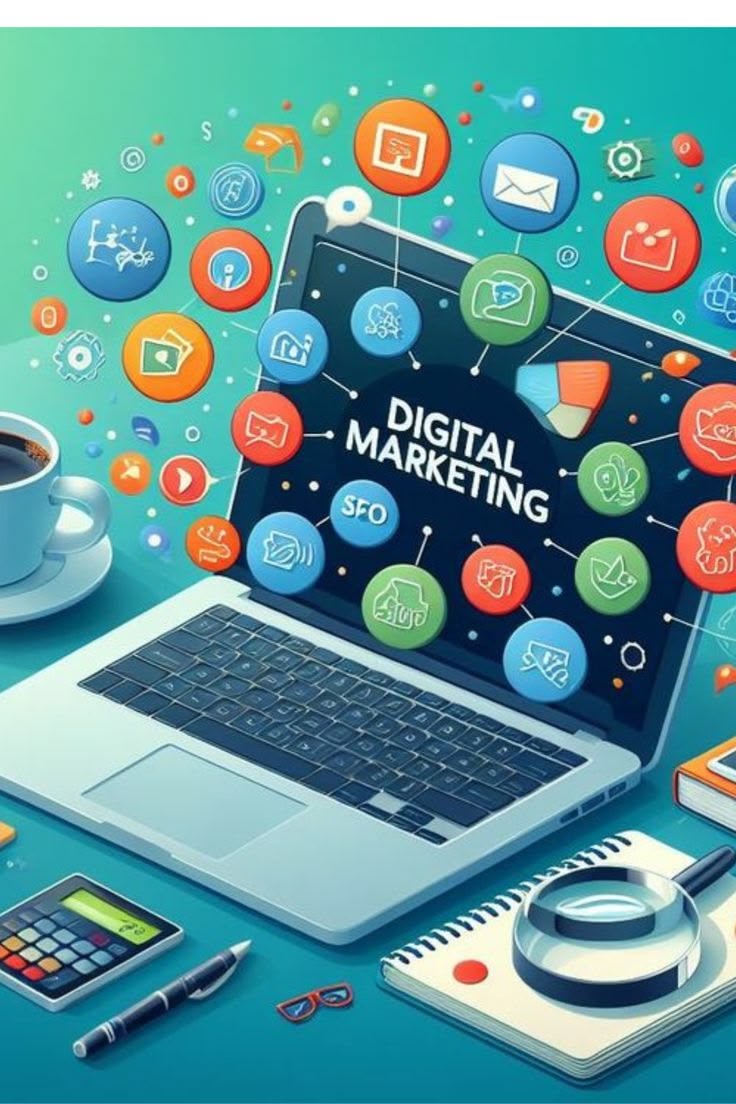
Explanation of Digital Marketing
Digital marketing is the process of promoting and selling products, services, or a brand through digital channels such as the internet, search engines, social media, websites, email, mobile applications, and online advertising platforms. In traditional marketing, businesses use newspapers, television, radio, posters, banners, and billboards to reach customers. Digital marketing uses online platforms to reach people where they spend a large amount of their time—the digital world. The main purpose of digital marketing is not only to make people aware of a business but also to attract the right customers, communicate with them, build trust, generate leads, increase sales, and maintain long-term relationships with customers.
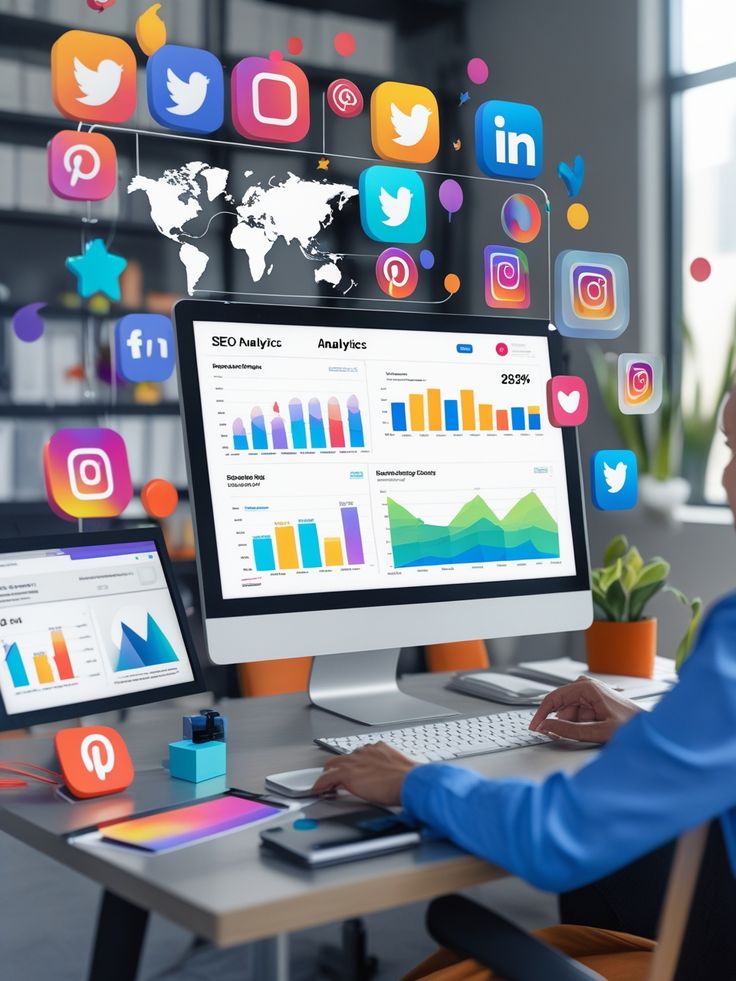
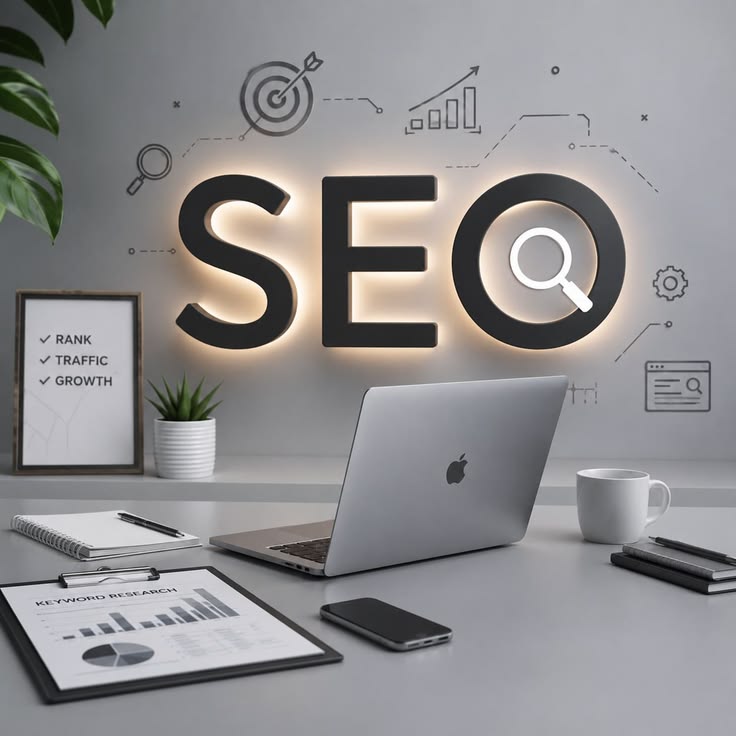
SEO — Search Engine Optimization
SEO is the process of improving a website so that it can appear higher in search engine results, such as Google. When people search for something like “best shoes for running”, Google shows many websites. SEO helps a business make its website more useful and relevant so that it has a better chance of appearing in those results. SEO generally includes keyword research, creating useful content, improving website pages, technical improvements, and earning quality links from other websites.
Social Media Marketing
Social Media Marketing means using platforms such as Instagram, Facebook, LinkedIn, YouTube, and others to promote a business, communicate with customers, build a community, and increase brand awareness or sales.
Social media marketing has two major sides: organic marketing and paid marketing. Organic marketing involves normal posts, videos, stories, and interactions, while paid marketing involves spending money to show advertisements to selected audiences.
Content Marketing
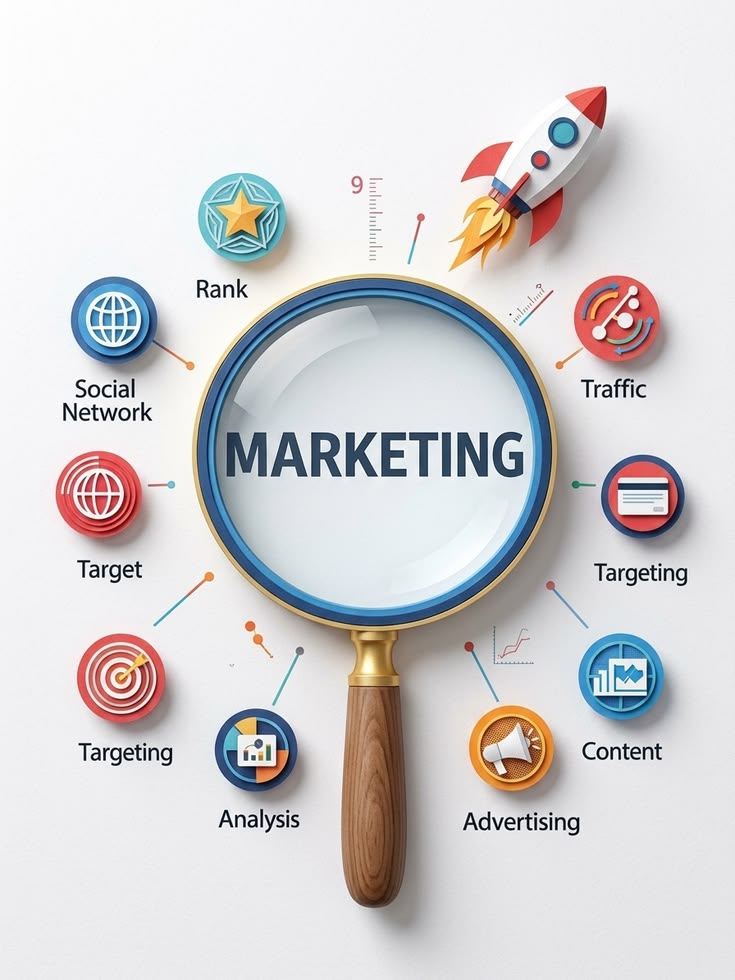
Content marketing means creating and sharing useful or interesting content to attract a particular audience and build trust with them. The content can include blogs, videos, images, social media posts, podcasts, guides, case studies, and educational material.
The important idea is that content marketing focuses on providing value, not just directly asking people to buy.
Google Ads / PPC Marketing
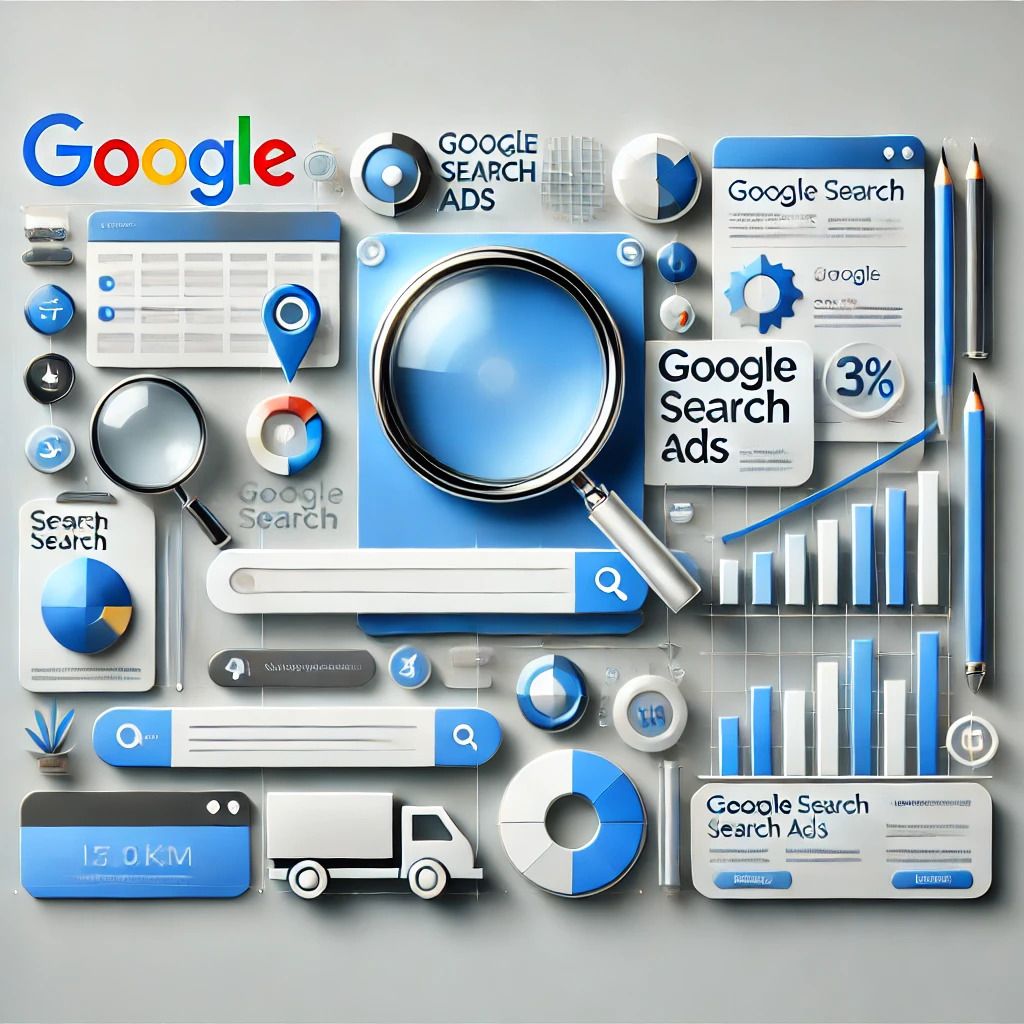
PPC means Pay-Per-Click. It is a type of online advertising where an advertiser can pay when someone clicks on an advertisement.
PPC can provide faster visibility than SEO because you don’t necessarily have to wait for your website to rank organically. However, advertising costs money, and good campaign management is important.
Email Marketing
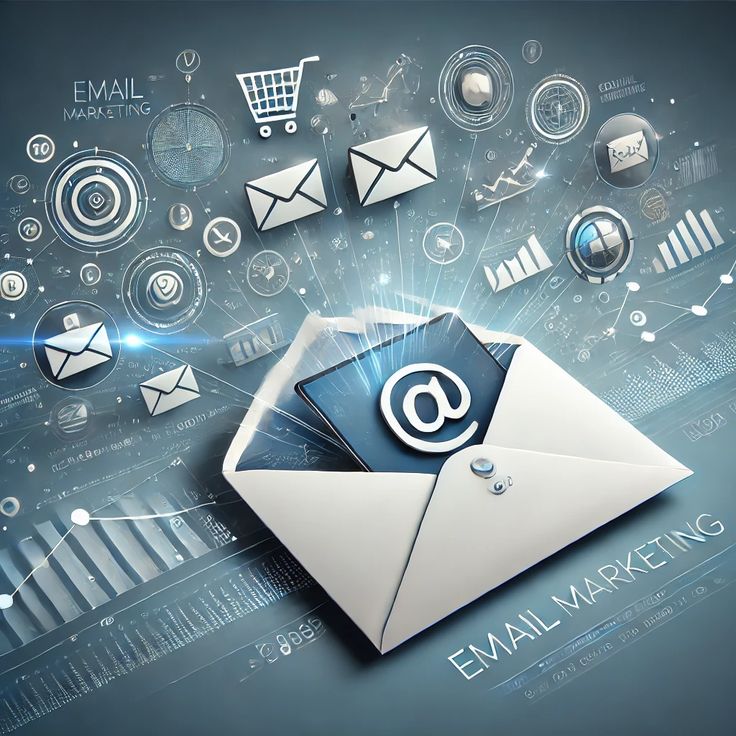
Email marketing means communicating with customers or potential customers through email.
Email marketing is particularly useful because a business can develop a direct communication channel with people who have chosen to receive its emails.
A good email should provide a clear reason for the person to open and read it rather than simply sending advertisements repeatedly.
Affiliate Marketing
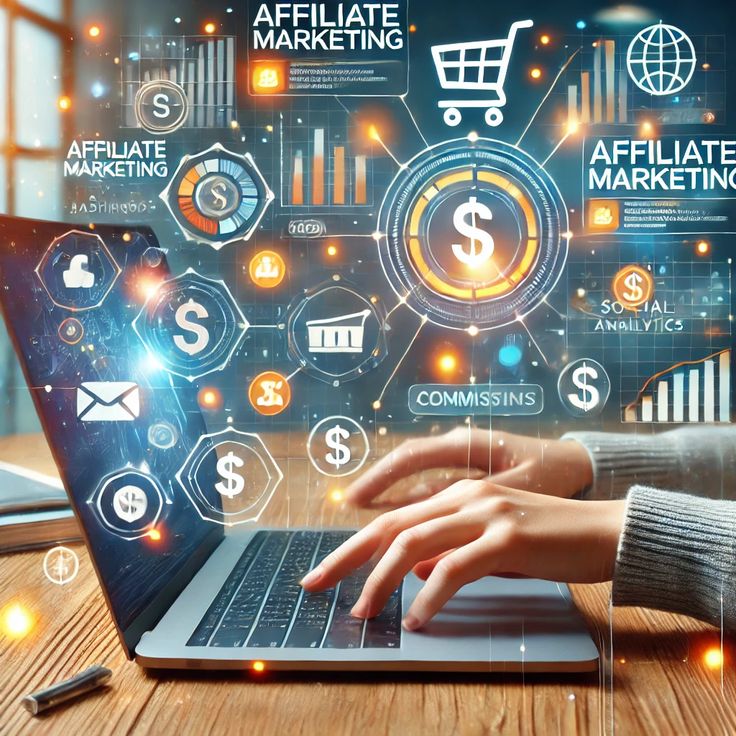
Affiliate marketing is a performance-based marketing model. In simple terms, one person or business promotes another company’s product using a special tracking link. If a customer completes a qualifying action, such as making a purchase, the affiliate may receive a commission.

Influencer Marketing
Influencer marketing involves working with people who have an audience and influence on platforms such as Instagram, YouTube, TikTok, or other channels.
The goal isn’t simply to find someone with many followers. A good partnership should have an appropriate audience, credibility, relevant content, and genuine fit with the product.
Simple meaning: Influencer marketing uses trusted creators to introduce products or brands to their audience.
Website Marketing
Your website is often the central point of digital marketing. Other channels can bring people to your website, where visitors can learn about the business, contact you, sign up, or purchase something.