
Core Foundations of Email Marketing
Unlike social media algorithms that can change overnight, your email list is an asset you fully own. You control the messaging, timing, and relationship.
Email consistently outperforms many other marketing channels in conversion rates because it targets opted-in users who have already expressed interest in your brand.
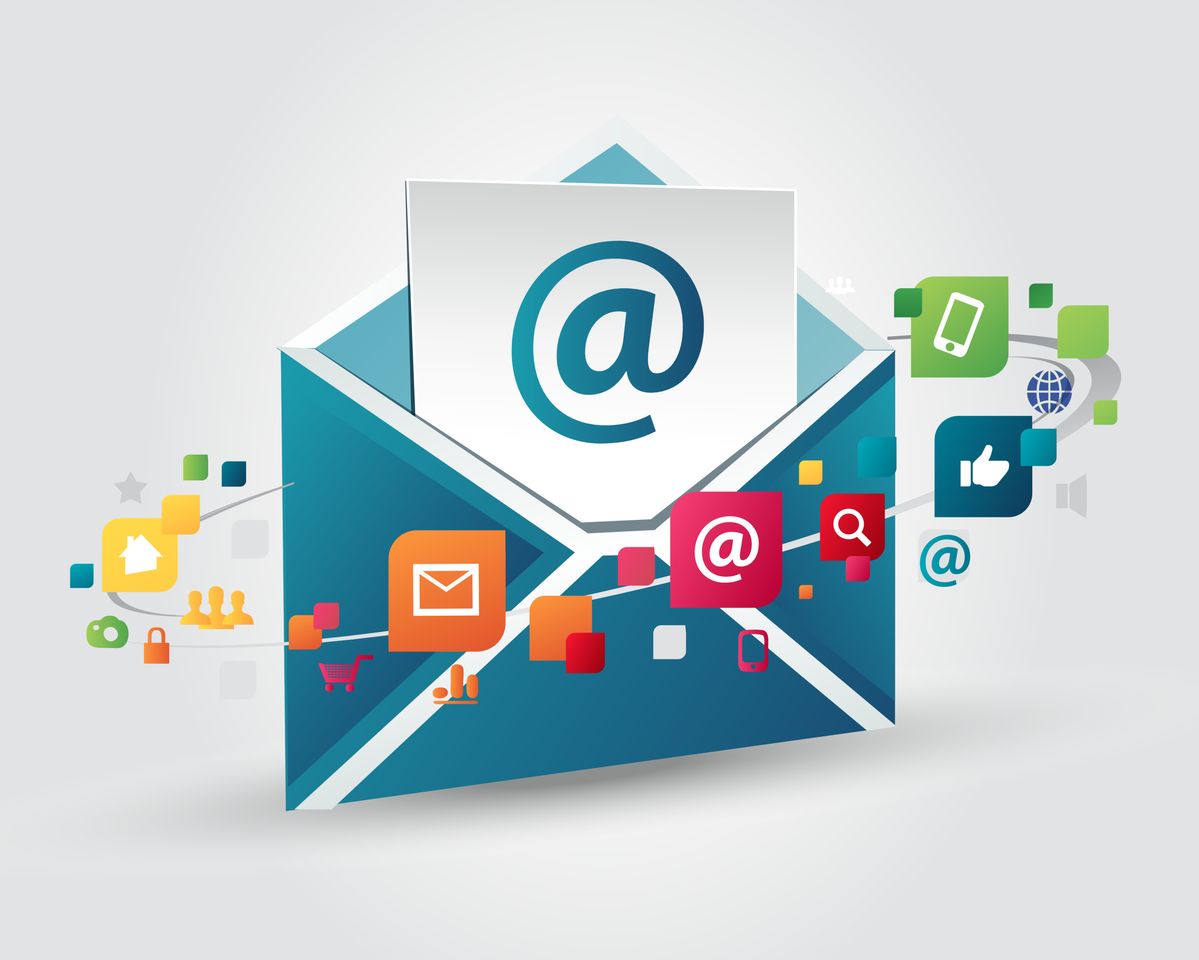
Modern email platforms allow you to tailor messages based on user behavior, purchase history, and demographics, ensuring the right message reaches the right person.

Growing Your Subscriber List
Offer high-value, free incentives in exchange for email addresses, such as eBooks, discount codes, checklists, or exclusive webinars.
Strategically place sign-up forms across your website—including exit-intent popups, embedded footer forms, and dedicated landing pages.
Always practice permission-based marketing by securing explicit consent, offering clear unsubscribe options, and displaying your physical business address.
Campaign Types & Content Strategy
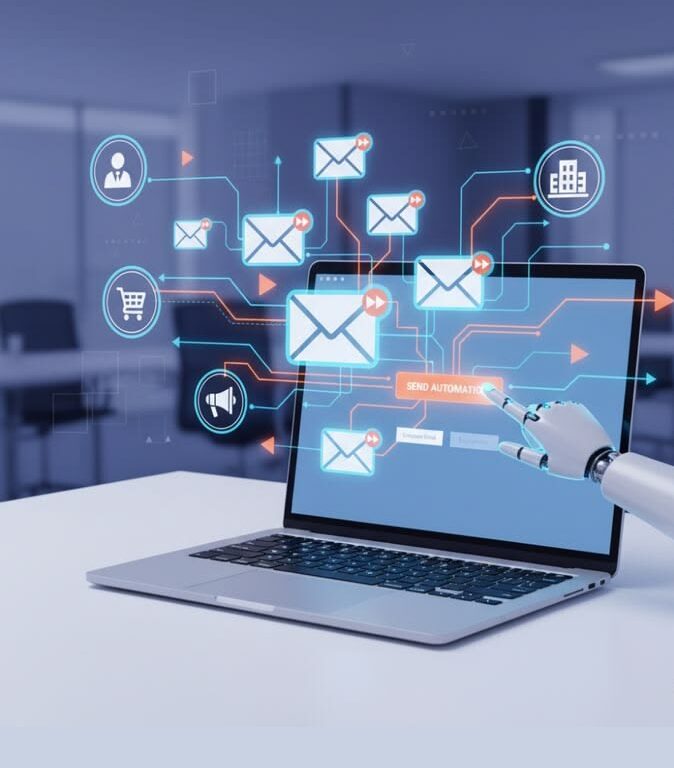
Automated emails triggered immediately after someone subscribes, introducing your brand’s core values, setting expectations, and often delivering a sign-up incentive.
Time-sensitive emails highlighting product launches, seasonal sales, discounts, or special events designed to drive immediate revenue.
Regular updates providing industry insights, company news, blog posts, or curated tips to nurture long-term subscriber engagement.
Email Automation & Lifecycle Flows
Essential for e-commerce, these automated reminders target users who add items to their cart but leave before completing the checkout process.
Essential for e-commerce, these automated reminders target users who add items to their cart but leave before completing the checkout process.
Workflows triggered by specific customer actions, such as post-purchase follow-ups, product recommendations, or milestone celebrations (like birthdays).
Optimization, Deliverability, & Metrics
Protect your sender reputation by maintaining clean lists (removing inactive or bounced emails), authenticating your domain (SPF, DKIM, DMARC), and avoiding spam trigger words.
Continuously test different elements of your emails—such as subject lines, sender names, CTA button colors, and send times—to improve performance.
Focus on metrics like Open Rate, Click-Through Rate (CTR), Conversion Rate, and Unsubscribe Rate to measure campaign success.